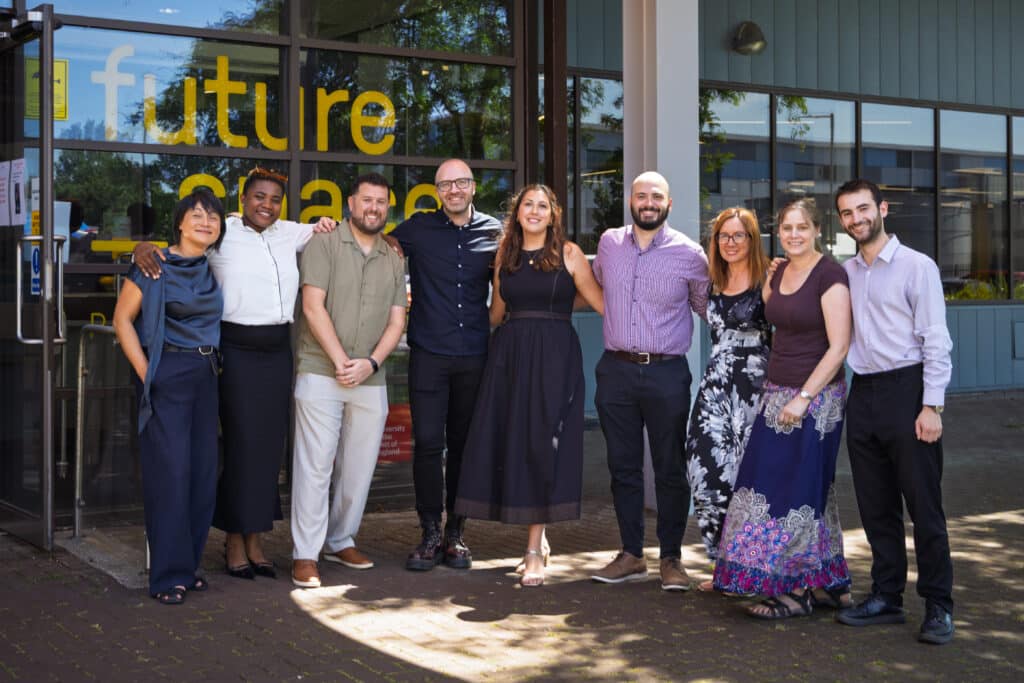
Future Space has celebrated a decade of supporting ambitious businesses, strengthening university-business collaboration and driving innovation across the West of England.
Since opening in 2016 as part of the UK Government’s University Enterprise Zone programme, Future Space has supported 178 high-tech businesses, helped create 965 skilled jobs, generated more than £136 million in investment and grant funding, launched 588 new products, services and patents, and contributed £56 million in Gross Value Added (GVA) to the regional economy.
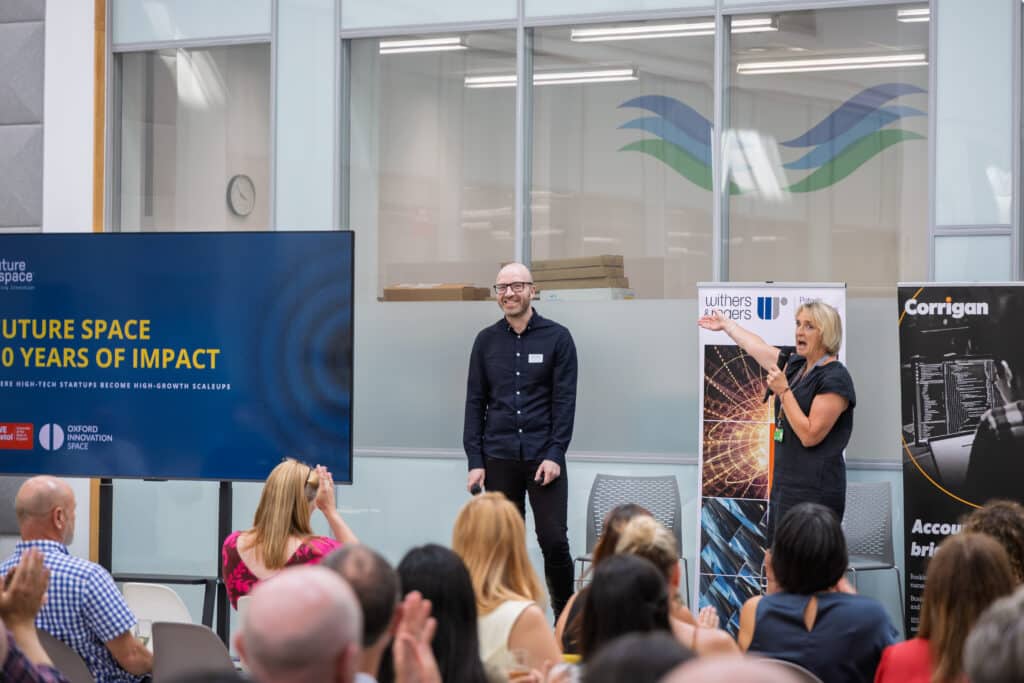
To mark the milestone, more than 150 guests from business, academia and the regional innovation community gathered at Future Space for an evening celebrating the organisations, partnerships and people that have shaped the centre over the past ten years.
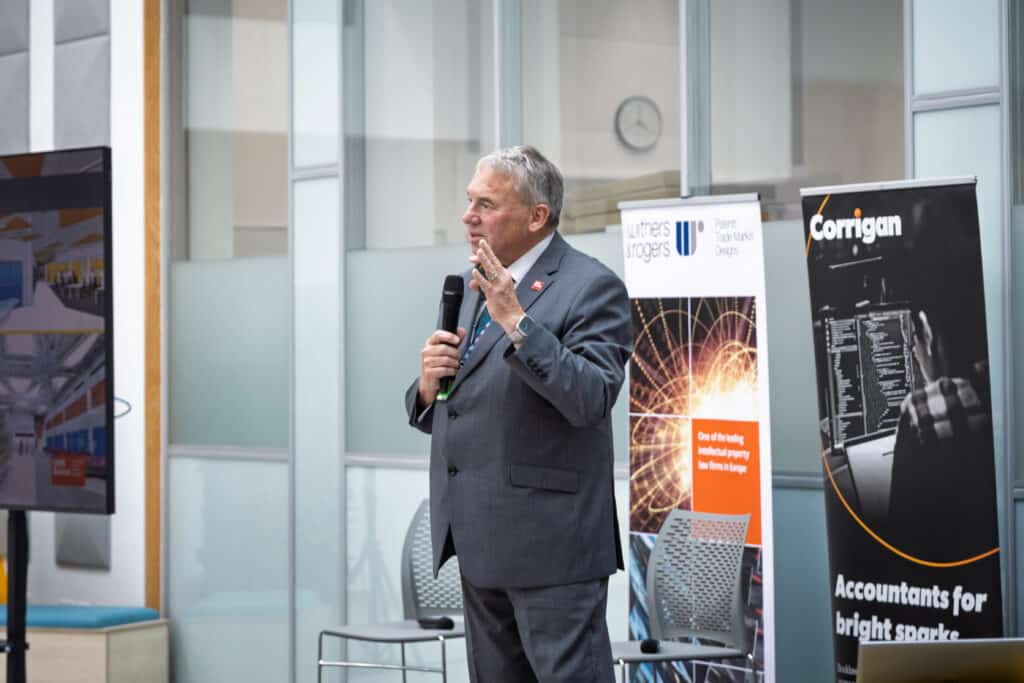
The event featured keynote reflections from Professor Sir Steve West, Vice-Chancellor of UWE Bristol, and Jo Stevens, Managing Director of Oxford Innovation Space, alongside a panel discussion exploring the future of regional innovation. Hosted by Andrea Dell of Futures West, the panel brought together Professor Marc Griffiths, Pro Vice-Chancellor for Regional Partnerships, Engagement and Innovation at UWE Bristol, innovation leader Nick Sturge MBE, and Dr Jenny Bailey Cooper, founder of Future Space business FerryX.
Throughout the afternoon, guests heard how the region must continue to build stronger innovation ecosystems that enable businesses, universities and public sector organisations to work together more effectively, ensuring ideas, talent and research translate into economic and societal impact. Discussions highlighted the importance of retaining home-grown talent, supporting businesses to scale, and creating the infrastructure needed for long-term regional prosperity.
Professor Matt Freeman, Centre Director at Future Space, said:
“Over the last decade, Future Space has become a place where businesses, researchers and student talent stop operating in separate worlds and start innovating together.
“Our impact figures tell a story of hundreds of new products and innovations, almost a thousand jobs, over £136 million of investment secured, and thousands of moments where researchers, students, founders and partners have come together to turn ideas into real-world impact.”
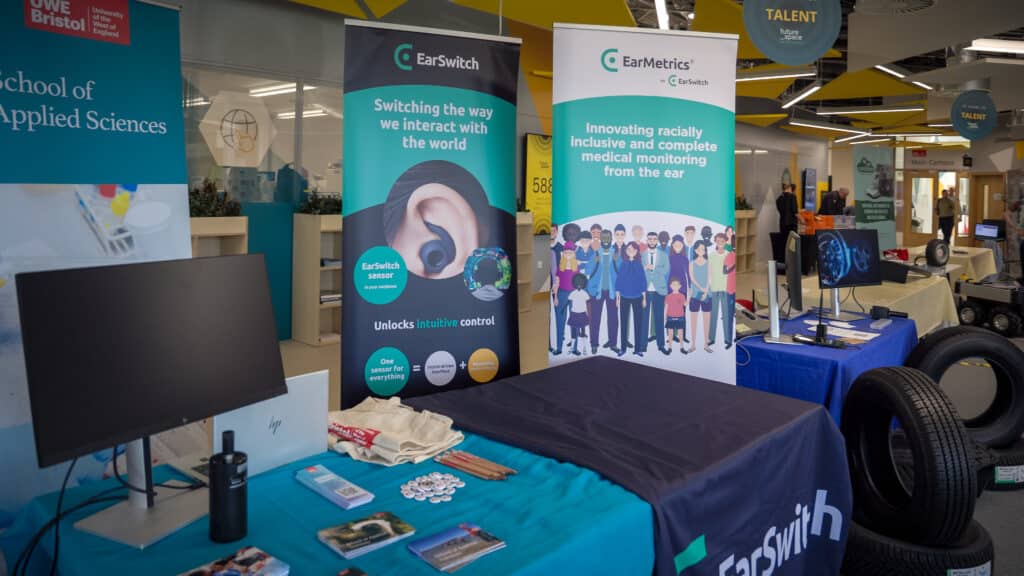
Future Space’s distinctive model brings together flexible workspace, business support through the national Oxford Innovation Space network, university R&D facilities and student talent in one location, helping innovative companies grow while remaining closely connected to UWE Bristol’s research and skills ecosystem.
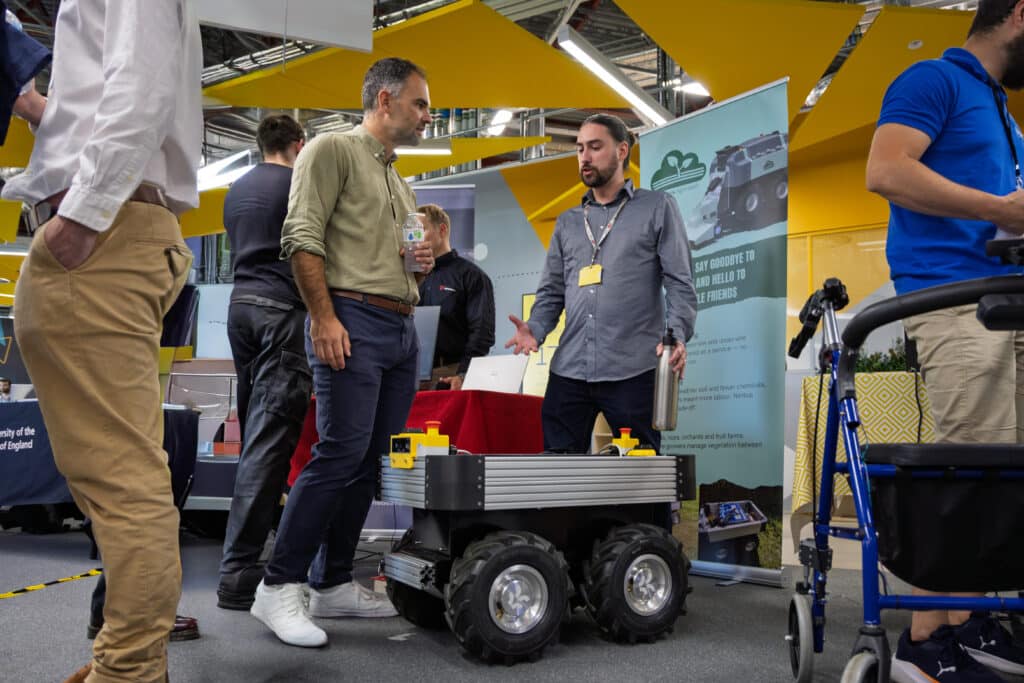
Over the past decade, resident businesses have worked across sectors including health technology, biotechnology, advanced engineering, robotics, artificial intelligence and digital innovation. Success stories include SAH Diagnostics, which now provides specialist cancer diagnostic services to 34 NHS trusts and hospitals, Supersmith, whose self-adjusting mobility scooter was demonstrated by Prince William earlier this year, and FerryX, whose breakthrough research is helping improve the lives of people living with Irritable Bowel Syndrome.
The celebration also recognised the growing role Future Space plays in developing future talent. During the last year alone, more than 400 UWE Bristol students have worked with resident businesses through consultancy projects, internships and part-time employment, creating valuable pathways between higher education and industry.
Future Space’s success has also been recognised nationally. The UK Government’s final evaluation of the University Enterprise Zone programme identified Future Space as one of the strongest-performing centres in the country, highlighting its close integration with UWE Bristol, exceptional university-business collaboration, and performance across measures including knowledge exchange, turnover growth and jobs created per £1 million invested.
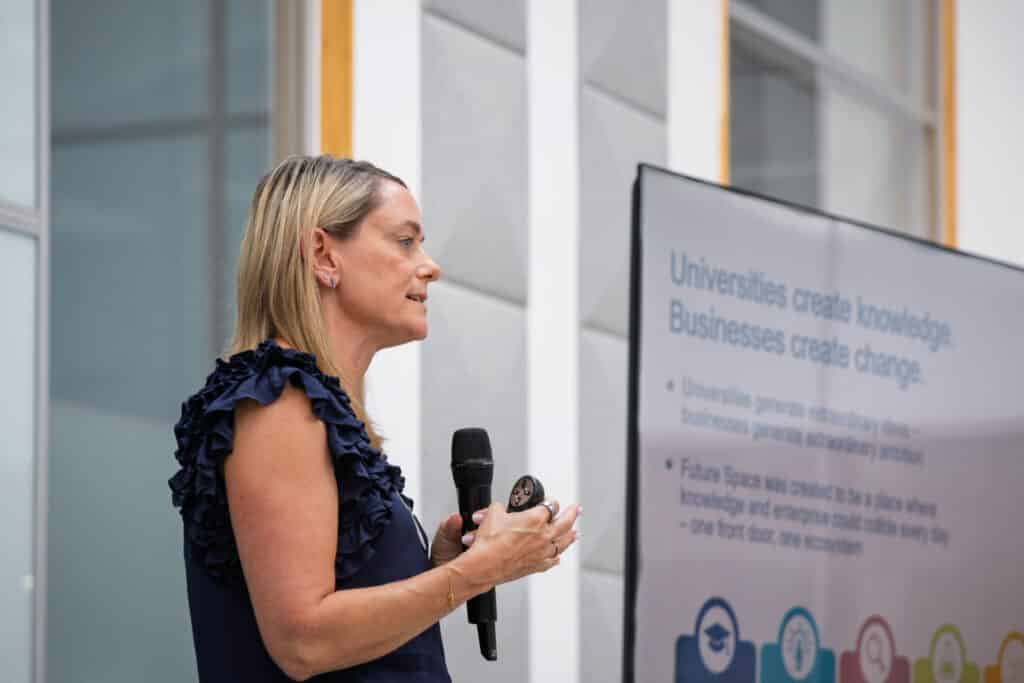
Jo Stevens, Managing Director at Oxford Innovation Space, said:
“At Oxford Innovation Space, we believe that when innovative businesses are given the right environment to grow, they create jobs, attract investment and strengthen local economies. Future Space is a fantastic example of this in action. Over the past ten years, it has become a catalyst for innovation-led growth in the West of England, helping ambitious founders turn ideas into successful businesses and delivering significant economic impact for the region.”
Looking ahead, Future Space will continue to build on this foundation by strengthening connections between businesses, researchers, students and partners, supporting the next generation of innovative companies while contributing to UWE Bristol’s wider mission to drive research, innovation, skills and enterprise across the region.
As the centre enters its second decade, its ambition remains unchanged: to create an environment where collaboration happens naturally, innovation flourishes, and businesses have everything they need to grow under one roof.