When the West of England Combined Authority (WECA) unveiled its new Growth Strategy this autumn, it identified five priority sectors to drive the region’s future – advanced manufacturing, digital tech, clean energy, creative industries, and the “everyday economy”. Notably, that everyday economy – encompassing health, education, care, hospitality and other daily services – provides over half of all local jobs in the West of England. In other words, it’s not a niche at all, but the backbone of the region’s prosperity and quality of life. Yet too often, the everyday economy is treated as an afterthought – a “priority number five” – rather than the focal point around which all other growth ambitions rest.

The Everyday Economy at the Heart of Growth
WECA’s plan hints at this centrality by stressing inclusive growth “that benefits everyone living here”, aiming for improvements like affordable childcare and better local services. The message is clear: innovation must translate into improvements in everyday life. High-growth sectors like digital or clean energy succeed when they enhance the everyday economy – by creating jobs, boosting productivity in essential services, or solving day-to-day problems. It’s time to flip the script and put the everyday economy at the centre of our innovation agenda, not the periphery. The good news is, our region already has a playbook for how to do this – by nurturing high-tech startups that tackle real-world, everyday challenges head-on.
Solving everyday problems doesn’t mean thinking small. On the contrary, some of the most groundbreaking startups in health, green tech and digital innovation are those fixing the frustrations and gaps people face daily. Future Space, UWE Bristol’s innovation centre based within the University Enterprise Zone, has always been about exactly this mission: aligning deep scientific research with market-ready solutions that make a real impact in people’s lives – proving that cutting-edge tech can directly serve the everyday economy.
Everyday Problems, High-Tech Solutions
We don’t have to look far to see this approach in action. A number of trailblazing startups in our region – many nurtured through Future Space or the local university ecosystem – are tackling everyday challenges with advanced technology and cutting-edge thinking:
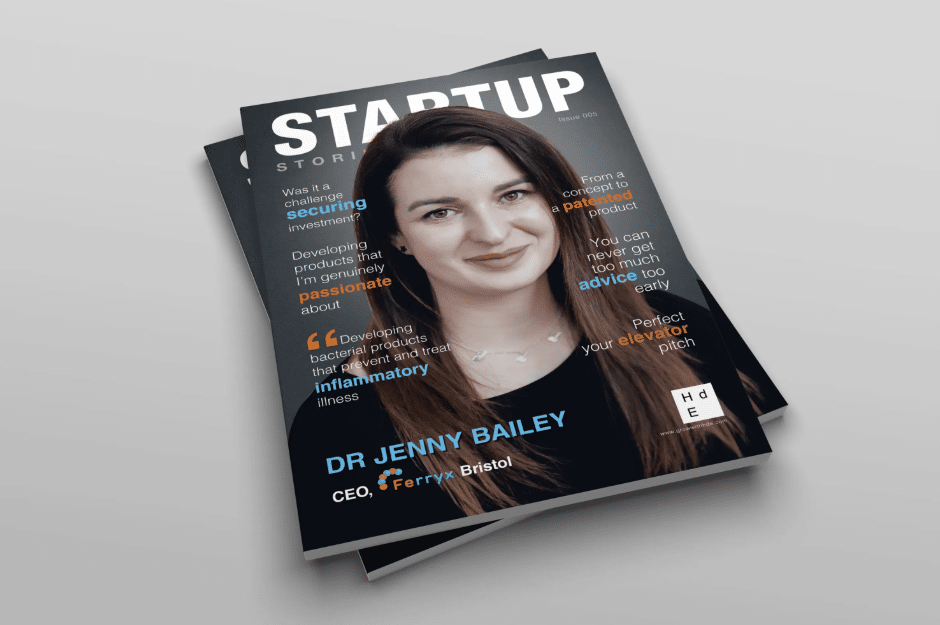
- Ferryx: A University of Bristol spin-out based at Future Space, Ferryx is bringing gut health support from the lab into the everyday wellness aisle. The company developed Ferrocalm, a science-backed probiotic supplement designed to help people during IBS flare-ups. This is no small issue – IBS affects an estimated one in five people and can severely disrupt daily life. Traditional probiotics often fail when stress strikes, but Ferryx’s research identified a bacterial strain that stays effective even in an inflamed gut.
- MilBOTix: An award-winning HealthTech startup, MilBOTix has developed SmartSocks – comfortable sensor-embedded socks that monitor signs of stress and agitation in people with dementia or autism. This addresses a heartbreaking everyday problem: over half of those with dementia experience distress that they cannot communicate verbally, often leading to aggression, reduced quality of life, and earlier admission to care homes. MilBOTix’s socks use AI to detect physiological indicators of rising distress (like changes in heart rate or sweat) and alert caregivers before a crisis point is reached.

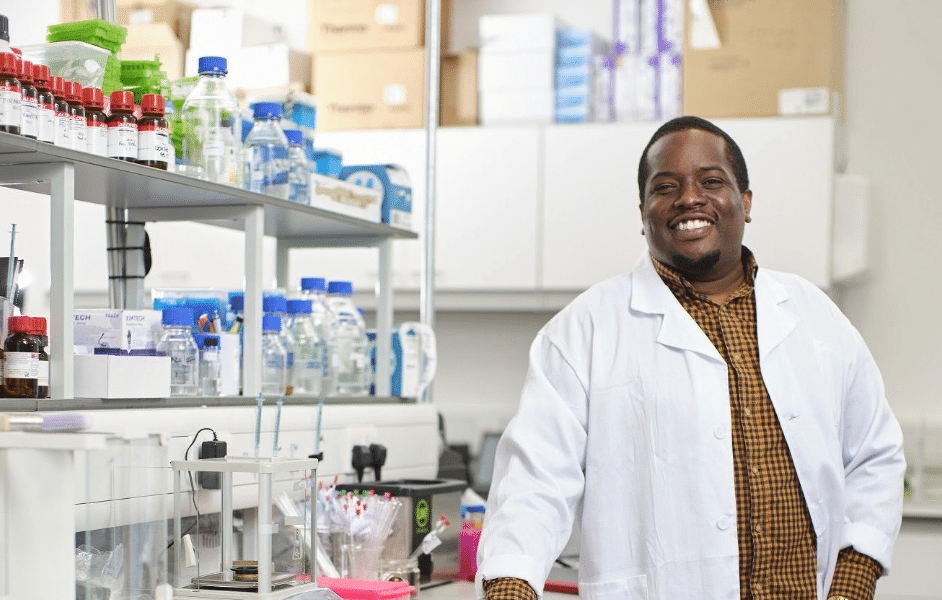
- FluoretiQ: A MedTech startup, FluoretiQ is revolutionising how we detect common infections – a seemingly routine part of healthcare that has big everyday consequences. FluoretiQ created NANOPLEX, a rapid test that can identify a bacterial infection in 15 minutes and tell doctors “Does this person need antibiotics? What’s causing the infection?”. FluoretiQ’s solution uses nanotech and machine learning to capture bacteria and pinpoint their identity (and quantity) within the timeframe of a GP appointment. It’s a cutting-edge diagnostic innovation directly benefiting the everyday experience in healthcare – from anxious parents in A&E to overburdened GPs who need quick answers.
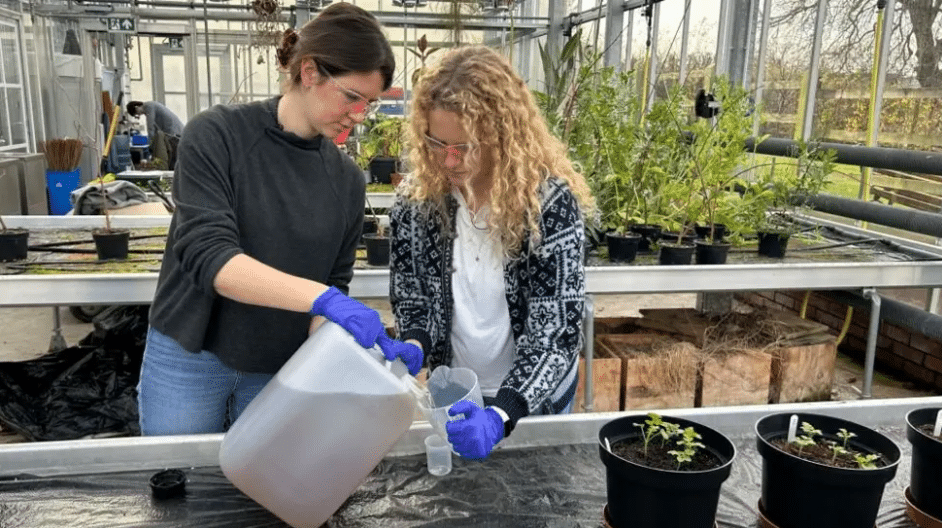
- NPK Recovery: This GreenTech startup is literally turning waste into wealth for the everyday economy. NPK Recovery has devised a system to recycle nutrients from human urine and convert it into sustainable fertiliser. Why urine? It’s rich in nitrogen, phosphorus and potassium – the same core elements (N, P, K) in synthetic fertilisers that farmers rely on. Right now, the UK’s agriculture uses about 1.5 million tonnes of manufactured fertiliser each year, produced through energy-intensive processes that consume finite resources. By collecting urine (even from places like festivals, as reported by the BBC this year) and processing it on-site, NPK Recovery aims to close the nutrient loop, bringing innovation to the soil beneath our feet.
Universities + Startups = Relevance in the Everyday Economy
One striking pattern in these examples is how closely universities are tied into solving everyday problems. Each of the startups above emerged from academic research: Ferryx from a university lab discovering a probiotic strain, MilBOTix from a robotics PhD project and healthcare research, FluoretiQ from biosensing research at the University of Bristol, and NPK Recovery from scientific exploration of waste recycling. These are not ivory-tower projects: they’re mission-driven innovation ventures translating academic expertise into practical everyday solutions – exactly what universities need to do doing to stay relevant.
It’s no secret that higher education faces increasing economic and social pressure to justify its value and adapt to societal needs. What better way to demonstrate impact than by improving daily life for millions through innovation? When world-class research meets real-world impact, the public sees tangible returns on research: a supplement that eases their IBS, a device that helps their grandparent with dementia, a quick test at their GP, or greener food production in their community. By fostering spin-outs and collaborations focused on the everyday economy, universities fulfil their core mission of serving society, tangibly – and in turn, they regain public trust and purpose. At Future Space, this kind of university-business collaboration is precisely the kind we celebrate, all because it bridges the gap between discovery and doing.
Crucially, our region’s approach to growth – through innovation centres like Future Space and programmes like SETsquared, in partnership with our leading universities – has long provided the environment to nurture these ideas. Access to lab space, academic expertise, facilities, industry networks, support systems and beyond all help scholars-turned-entrepreneurs turn prototypes into products at a pace that matches the urgency of the need.
It’s a model of academia thinking a bit more like a startup: agile, user-focused, impact-driven. And it is working – as evidenced by ventures now hitting the market and being recognised nationally. Ferryx’s Ferrocalm recently reaching Debenhams’ online shelves shows how a university spin-out can scale to retail and reach everyday consumers. MilBOTix’s backing from Alzheimer’s Society and pilots in care homes show recognition from the health sector that this tech addresses a pressing daily challenge. These successes illustrate how aligning innovation with the everyday economy doesn’t diminish ambition – it unleashes it in perhaps its most compelling form, all in service of inclusive growth.
Everyday Economy First, Not Last
It’s time, then, to consider that the so-called “everyday economy” is not Priority #5 but the foundation upon which all other priorities build. In the West of England Growth Strategy, the everyday economy is described as vital – and it is, comprising 57% of regional jobs and touching no less than 100% of the population. By putting ingenuity to work on everyday needs, we don’t just improve life for individuals – we also unlock economic potential on a broad scale. Healthier, less stressed populations are more productive. Better diagnostic tools save healthcare costs and lives. More efficient resource use in farming strengthens food security and creates green jobs. Every high-tech solution that makes the everyday smoother and smarter contributes to inclusive prosperity. As WECA’s plan emphasises, growth shouldn’t be a random number – it should make a real difference to real people who can see and feel it, everyday. That difference will be felt around the dinner tables, in doctor’s offices, in classrooms and high streets – not just in advanced manufacturing plants or coding labs.
The task now is to double down: continue backing ventures that target everyday pain points, ensure policies treat the everyday economy as the cross-cutting pillar, and encourage our universities to properly prioritise the creative application of groundbreaking research from all disciplinary corners to everyday life. If we succeed, the payoff is a region where innovation is not an end in itself, but a means to empower every citizen in their daily endeavours. High-tech startups solving gut health, dementia care, diagnostics or nutrient recycling aren’t merely high-tech companies – they’re building the future for our all of us, one real-world challenge at a time. And that’s a growth story in which we can all share.